
Modern Minimalist Lighting Design | Clarity, Balance, and Calm Through Light
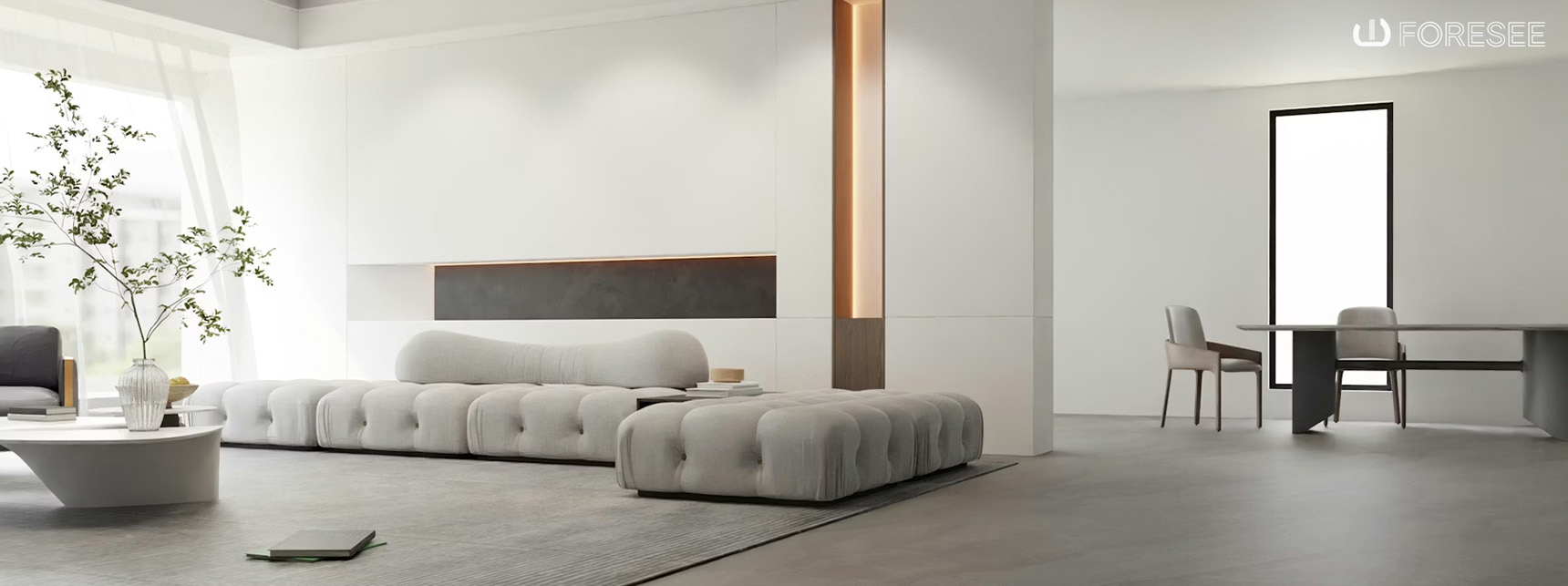
Modern minimalist lighting is not about absence—it is about precision. In this digital concept project, light is treated as a fundamental architectural tool, shaping space through clarity, proportion, and control rather than visual complexity.
The design explores how minimal lighting strategies can enhance spatial order, support daily functions, and create an atmosphere of calm within contemporary interiors.
Design Philosophy: Light as a Structural Element
In modern minimalist interiors, every element must justify its presence. Lighting follows the same principle. Instead of decorative excess, this concept emphasizes clean geometries, integrated solutions, and carefully calibrated illumination.
Light is used to define spatial boundaries, guide movement, and reinforce architectural intent. The result is a space where lighting feels inevitable—present without being noticed.

Controlled Lighting Layers for Visual Simplicity
A restrained layered lighting approach forms the backbone of this concept. Ambient lighting provides even, glare-free illumination, often concealed within ceilings or architectural details to preserve visual purity.
Accent lighting is subtle and purposeful, used to reveal textures, edges, or key architectural surfaces without drawing attention to the fixtures themselves. Task lighting is precise and functional, supporting everyday activities while maintaining a minimal visual footprint.
Each layer is designed to work quietly together, creating a seamless lighting experience rather than a collection of individual effects.
Material Sensitivity and Light Behavior
Minimalist spaces rely heavily on material quality, making light behavior especially critical. Soft, diffused lighting enhances matte surfaces, natural wood, stone, and plaster without introducing harsh contrast.
In this digital concept, lighting is carefully tuned to avoid over-illumination, allowing shadows to exist as part of the spatial composition. The interaction between light and material becomes subtle, measured, and intentional—reinforcing the calm atmosphere essential to minimalist design.

Minimal Fixtures, Maximum Integration
The luminaires selected for this project prioritize integration over expression. Recessed downlights, linear profiles, and concealed light sources are used to maintain clean visual lines and architectural coherence.
Where visible fixtures are required, they follow simple forms and neutral finishes, blending into the space rather than defining it. The emphasis remains on spatial experience, not on the object itself.

A Digital Vision of Minimalist Living
As a digital concept project, this design offers a refined vision of modern minimalist lighting beyond physical limitations. It explores how light can support contemporary lifestyles through clarity, adaptability, and restraint.
The result is an interior where lighting enhances comfort, order, and focus—creating spaces that feel balanced, timeless, and effortlessly modern.