
Industrial Modern Interior Design Guide: Materials, Lighting, and Space Planning
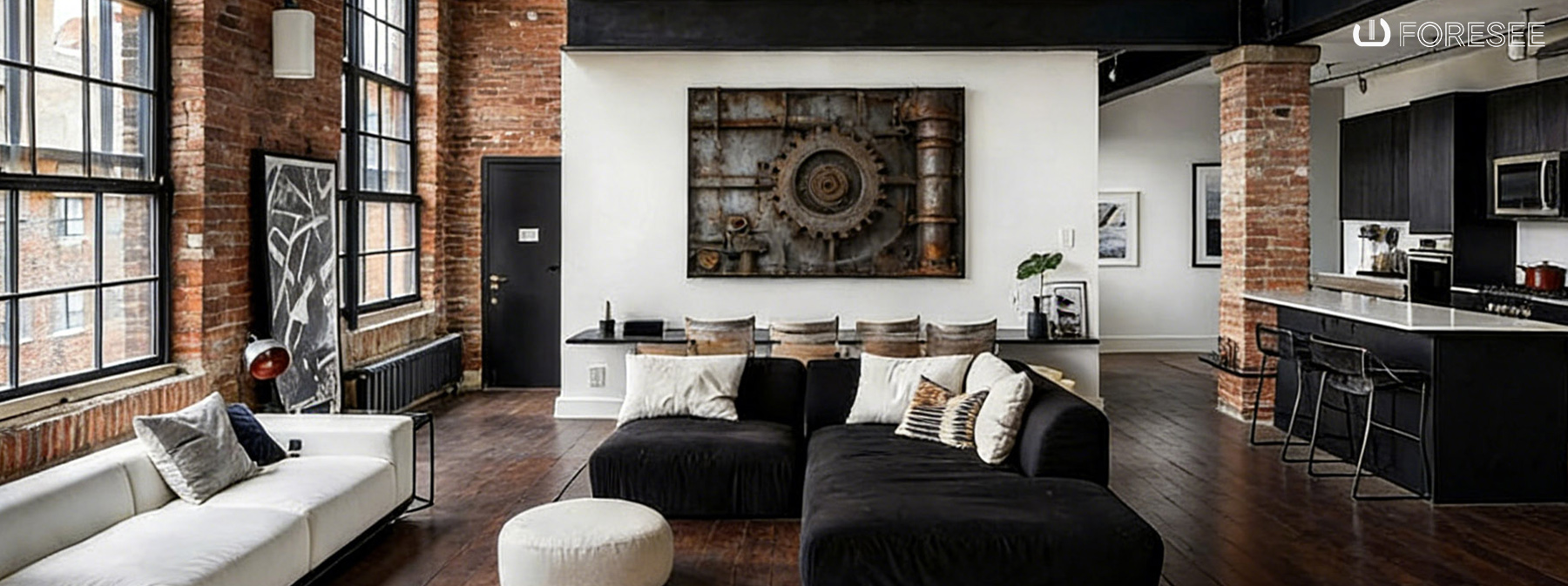
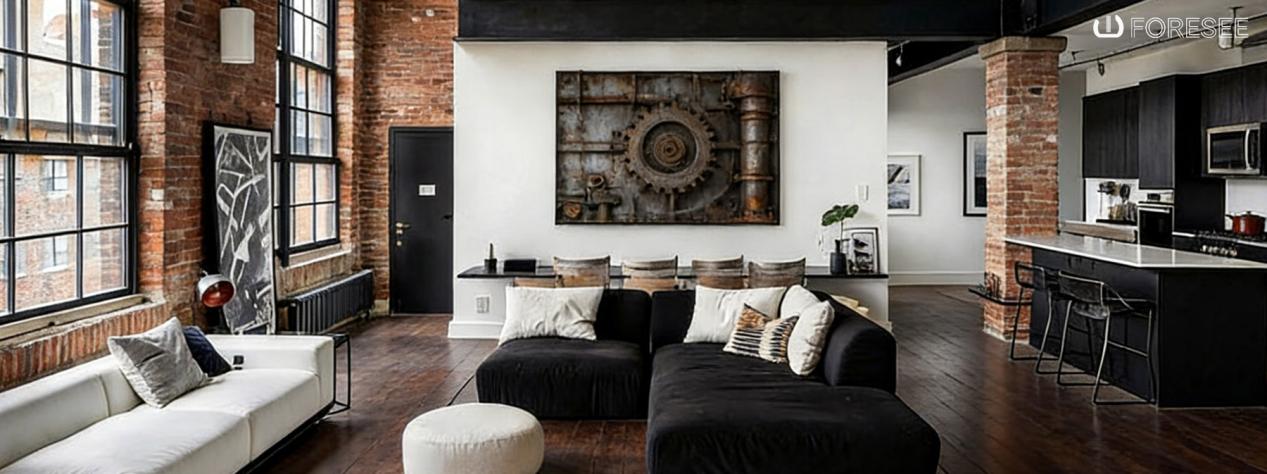
Industrial Modern is a style that celebrates raw materials, structural honesty, and minimalist forms. Emerging from urban lofts and repurposed industrial buildings, it emphasizes utility, open layouts, and a blend of vintage and contemporary elements. At 4C Global Space, we integrate this aesthetic into residential, commercial, and hospitality projects, balancing rugged textures with refined touches for a versatile, functional, and visually compelling environment.
This guide delves into material selection, lighting strategies, furniture integration, and recommended applications, helping architects, designers, and developers implement Industrial Modern interiors effectively.
Core Material Palette
Industrial Modern interiors are defined by exposed, authentic materials:
- Concrete and cement surfaces: Polished or raw, providing a neutral, textured backdrop
- Exposed brick walls: Adding warmth, character, and a tactile element
- Steel and iron: Structural beams, frames, or furniture legs contribute strength and industrial flair
- Reclaimed wood: For flooring, shelving, or furniture, introducing warmth and contrast
- Glass and mirrors: Enhance natural light, balance heavier materials, and visually expand space
At 4C Global Space, we select materials not only for durability but also for how they interact with light and spatial composition.
Furniture and Spatial Planning
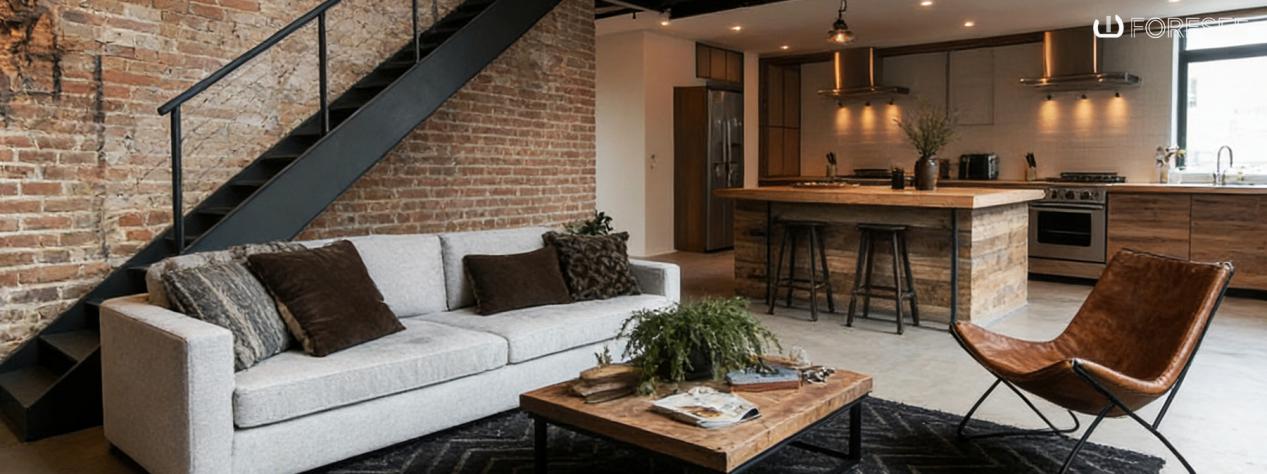
Industrial Modern furniture blends functionality, durability, and minimalistic lines:
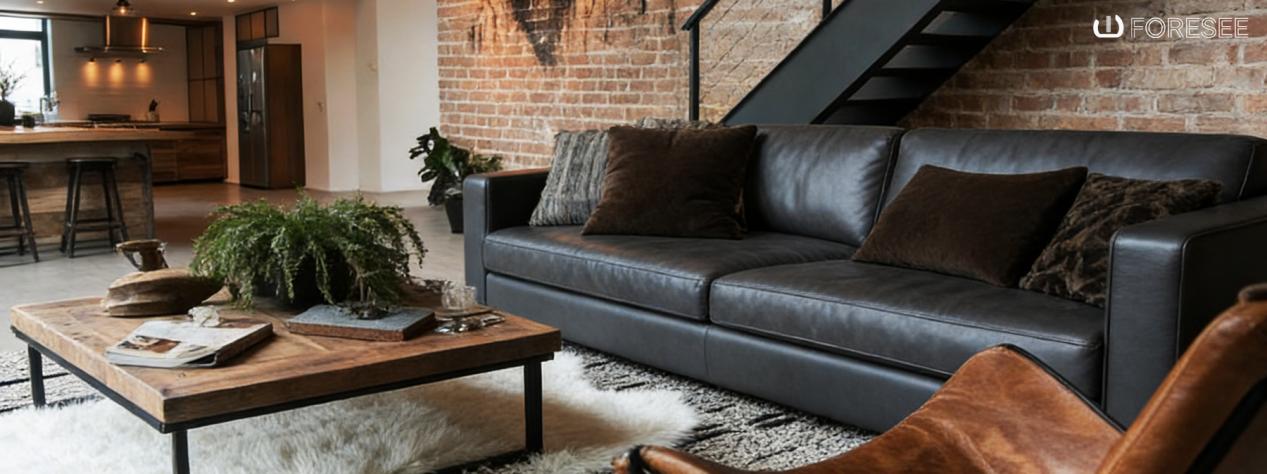
- Seating: Leather sofas, metal-framed chairs, and upholstered benches for comfort and style
- Tables: Raw wood or metal surfaces, simple geometric forms
- Storage: Open shelving, metal cabinets, and industrial carts that double as display and storage
- Spatial Planning: Open layouts, high ceilings, and flexible zones preserve industrial character while ensuring usability
The style favors multi-functional, modular furniture to adapt lofts, apartments, or mixed-use spaces.
Lighting Strategy
Lighting is crucial for highlighting textures and architectural elements in Industrial Modern interiors:
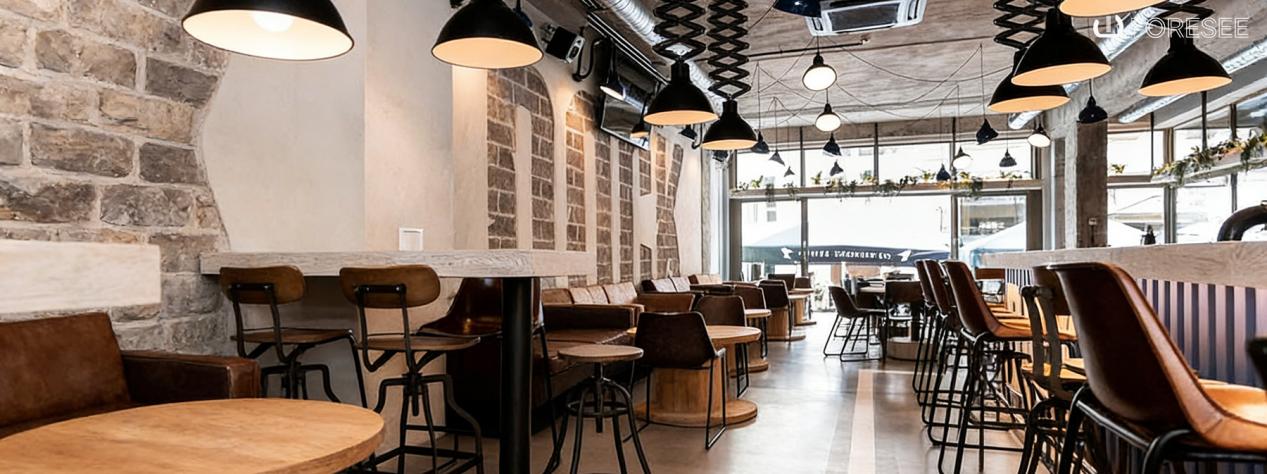
- Pendant lights: Metal shades or cage designs for dining areas, kitchens, and workspaces
- Track lighting: Adjustable fixtures to illuminate artwork or feature walls
- Recessed downlights: Balanced general lighting without distracting from raw materials
- Floor and table lamps: Complementary accents with metallic or matte finishes
Warm or neutral white light enhances the natural texture of brick, concrete, and metal while creating a welcoming industrial ambiance.
Color Palette
Industrial Modern interiors typically favor:
- Base Colors: Gray, taupe, black, and white for walls, flooring, and structural elements
- Accent Colors: Deep browns, navy, or muted greens through furniture, textiles, or decorative items
- Material Finishes: Matte metals, weathered wood, and concrete textures to reinforce authenticity
The result is a balanced, understated aesthetic that feels both rugged and sophisticated.
Recommended Applications
Industrial Modern interiors excel in versatile urban and commercial spaces:
- Lofts and apartments: Open layouts, high ceilings, and exposed beams enhance authenticity
- Hospitality interiors: Bars, restaurants, and cafes benefit from rugged materials combined with modern furnishings
- Offices and coworking spaces: Industrial furniture and lighting create functional, inspiring work environments
- Mixed-use projects: Combining residential and commercial areas while preserving structural and material honesty
Through careful material selection, furniture integration, and lighting design, Industrial Modern spaces achieve timeless appeal with functional elegance.
Conclusion
Industrial Modern is not merely a style; it is a design philosophy celebrating honesty, utility, and understated elegance. 4C Global Space’s expertise ensures that exposed materials, functional furniture, and carefully curated lighting create interiors that are both visually compelling and practical for modern life.