
Sunlit Interiors: Designing Calm and Bright Spaces with Light Wood
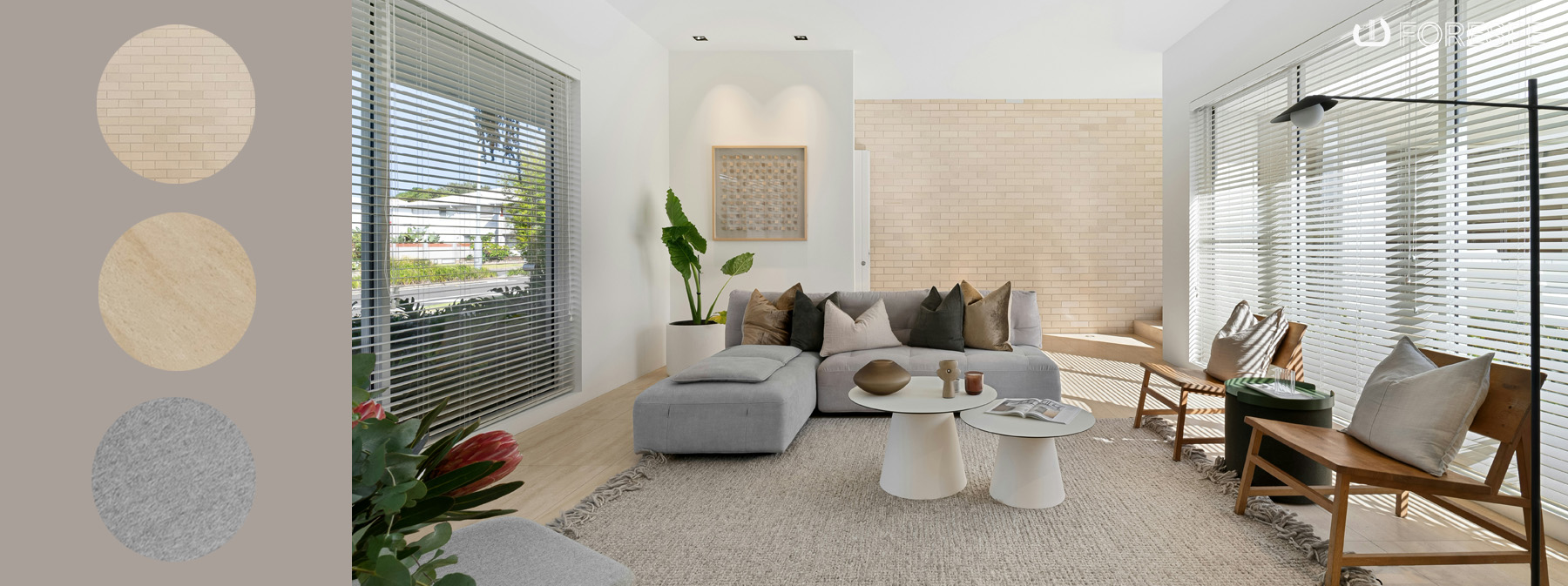
Light-toned wood has become a defining feature in modern interior design, celebrated for its ability to brighten spaces, enhance spatial perception, and convey a sense of calm. This moodboard demonstrates how pale wood can harmonize with decorative lighting, fabrics, metals, and stone surfaces to achieve spaces that feel open, warm, and inviting—perfect for residential, hospitality, and premium commercial interiors.
Why Light Wood Matters in Contemporary Design
Light wood offers visual clarity and a subtle sense of luxury. Its natural hues—from pale oak to birch and ash—interact effortlessly with sunlight and artificial illumination, creating interiors that feel fresh yet grounded.
For architects and designers, light timber serves multiple purposes:
- Enhancing the perception of space in compact or low-light areas
- Providing a neutral backdrop for accent colors, textures, and materials
- Supporting minimalist and Scandinavian-inspired design schemes
- Conveying warmth and sustainability without overpowering other design elements
Light wood is ideal for projects that aim to balance modern elegance with comfort and approachability.
Material Pairings and Surface Strategy
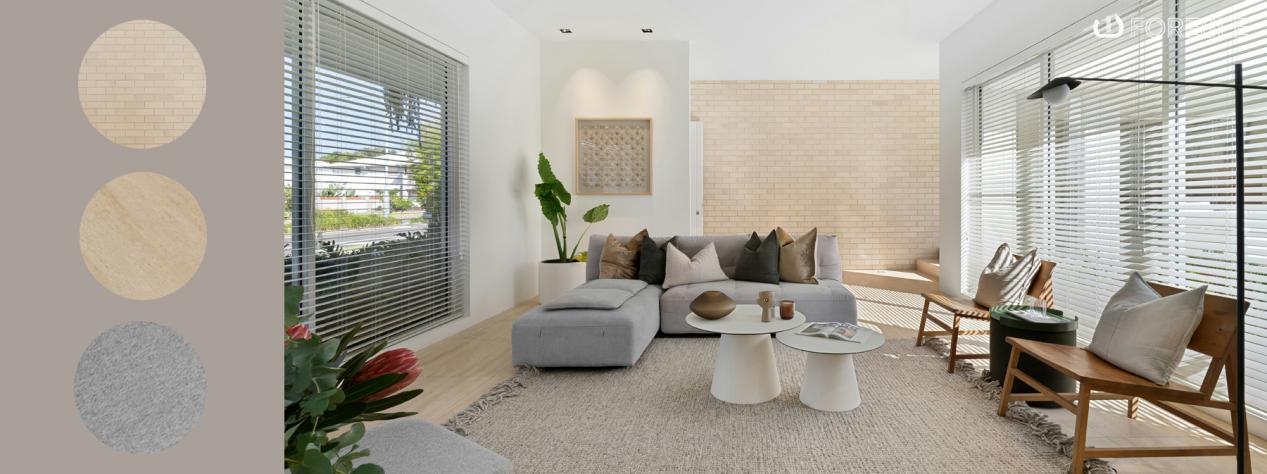
In this moodboard, light wood is paired with complementary materials to maximize brightness and texture:
- Stone and light concrete: Subtle contrast emphasizes structural clarity
- Soft fabrics: Linen, cotton, and wool in beige, cream, or pastel tones enhance tactile comfort
- Decorative lighting: Rattan or fabric lamps introduce warmth and organic shapes
- Minimal metal accents: Brushed brass, blackened steel, or matte aluminum provide subtle definition without disrupting serenity
By layering materials thoughtfully, light wood maintains visual cohesion while enriching spatial depth.
Lighting and Atmosphere
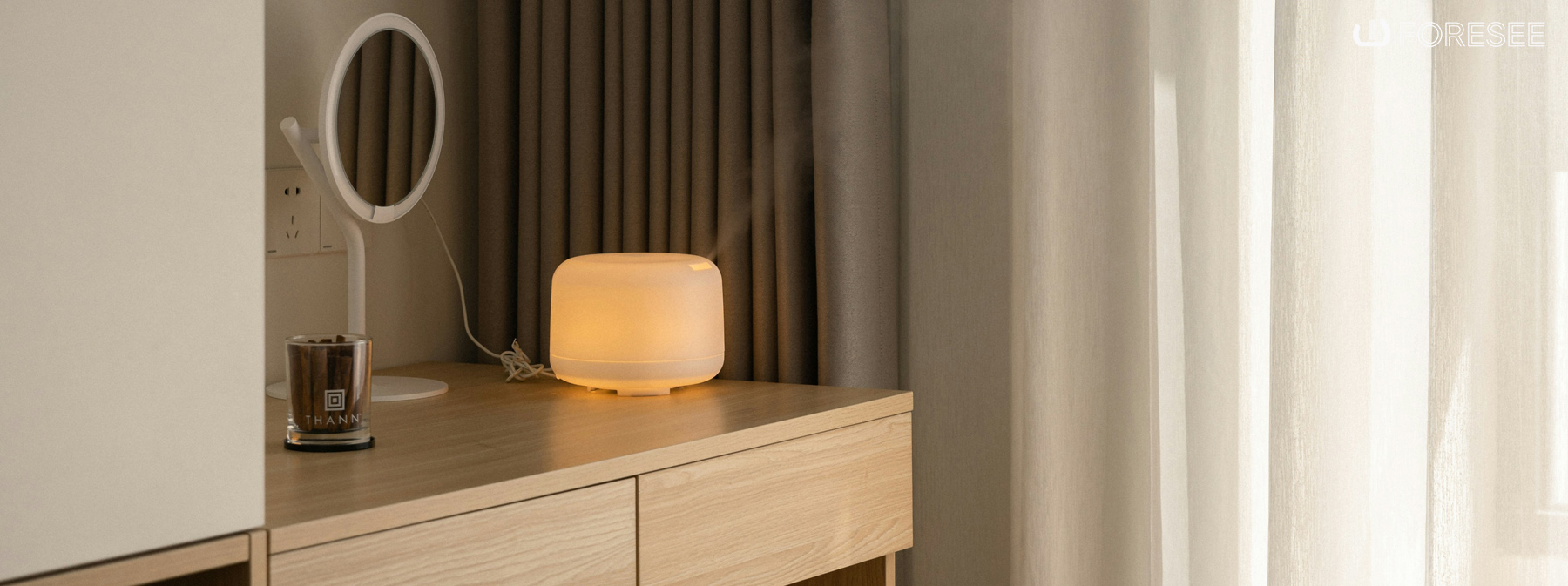
Decorative lighting is crucial in highlighting pale timber. Warm, diffused illumination accentuates grain patterns and natural imperfections, creating soft shadows and depth without harsh glare.
Pendant lamps, floor lamps, and wall sconces made from natural materials—rattan, light wood, or soft fabrics—reinforce the moodboard’s emphasis on light, warmth, and tactility.
The interplay of light and wood cultivates a space that is simultaneously bright, welcoming, and architecturally composed.
Furniture Integration and Design Language
Furniture in light wood interiors emphasizes clean silhouettes and understated elegance:
- Wood-based furniture with pale finishes blends seamlessly with flooring, cabinetry, and wall panels
- Neutral upholstery in linen, cotton, or soft leather preserves harmony and emphasizes natural warmth
- Decorative lighting and subtle metallic accents act as connectors rather than focal points
At 4C Global Space, every furniture piece is curated as part of an integrated spatial system, supporting a cohesive material language throughout the interior.
Applications Across Project Types
This Light Wood Product Moodboard is particularly suited for:
- Scandinavian-inspired apartments and modern villas
- Hospitality projects emphasizing calm and relaxation
- Boutique offices or commercial spaces requiring a bright, welcoming atmosphere
- Residential bedrooms, living rooms, and open-plan layouts
Light wood offers durability, aesthetic flexibility, and timeless appeal, making it an excellent choice for professional designers seeking a refined material system.
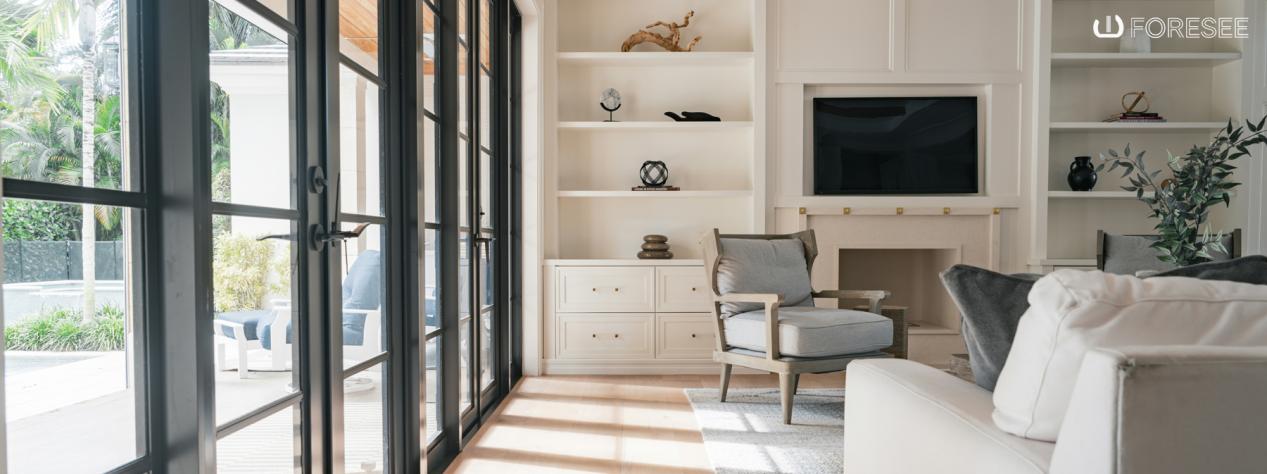
A Curated Material System by 4C Global Space
The Light Wood Moodboard embodies 4C Global Space’s philosophy of material-led interior design. By combining flooring, furniture, decorative lighting, and finishes into a cohesive visual framework, we provide architects, designers, and developers with:
- Design inspiration for early-stage concepts
- Material integration strategies for client presentations
- Practical guidance for creating visually harmonious and emotionally balanced interiors
Pale timber transforms interiors by introducing light, warmth, and natural elegance, proving that even subtle materials can define the character of contemporary spaces.