
Upgrade the living space through Smart Home Technologies
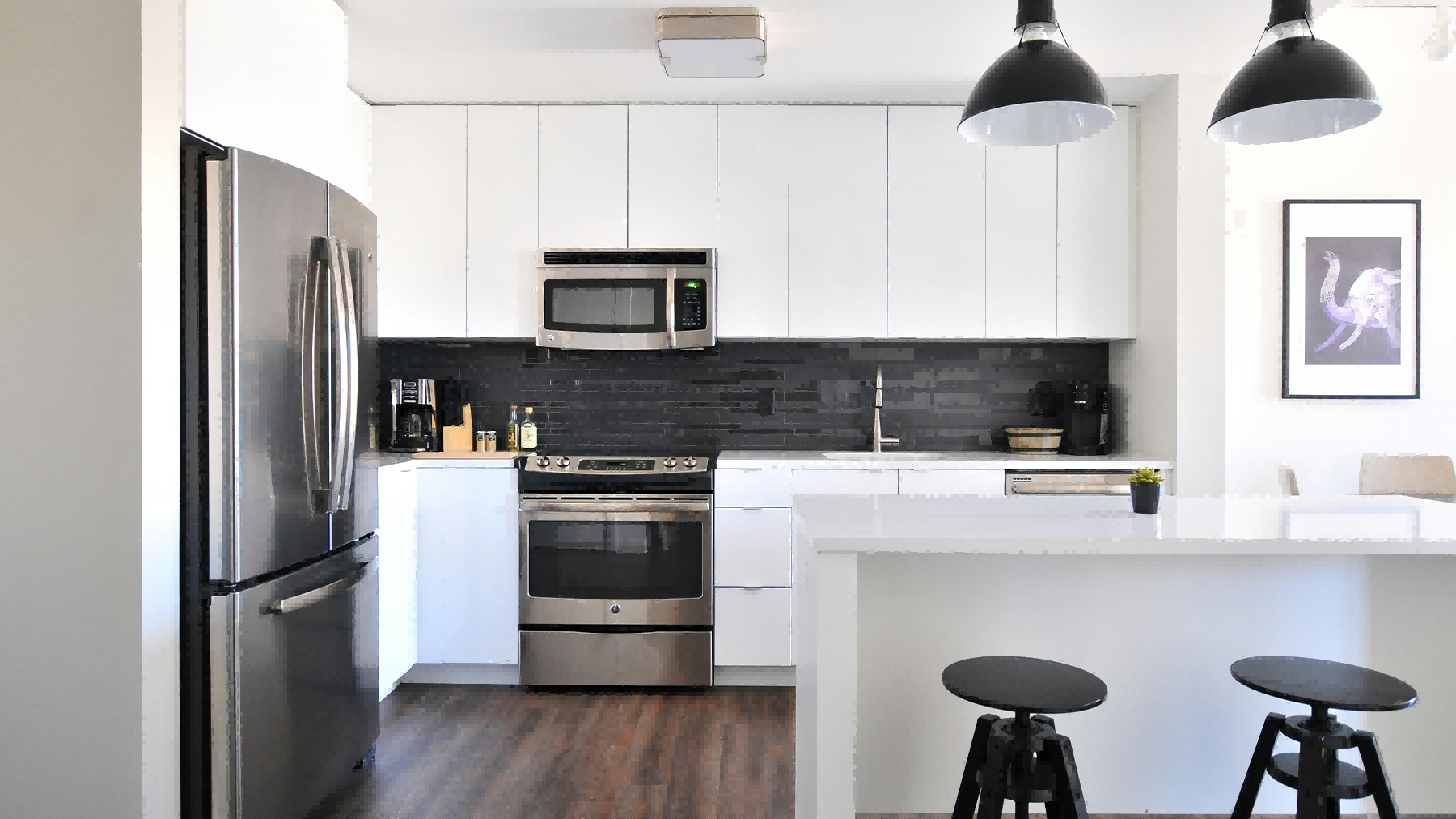
In modern urban life, apartment living spaces are becoming increasingly compact, while residents' demands for comfortable, convenient, and safe living are constantly rising. Smart home technology for apartments is becoming an important tool for enhancing the living experience. By integrating smart devices and systems, apartments are no longer just living spaces, but intelligently controllable living environments. Whether it's lighting, air conditioning, security, or entertainment devices, a complete smart home system can make life more efficient, energy-saving, and safe.
Enhancing Apartment Living with Smart Technology
With the development of Internet of Things technology and the reduction in the cost of smart devices, smart home technology for apartments has gradually entered the small and medium-sized apartment market from high-end villas. Residents desire a high-quality living experience within limited spaces, which has driven the widespread adoption of smart home devices in apartments. For example, through smart lighting and temperature control systems, residents can adjust light and room temperature at different times, achieving a balance between energy saving and comfort.
The main drivers of apartment intelligence include:
Energy Saving: Through smart lighting, smart air conditioning, and environmental sensors, the system can automatically adjust power according to actual usage needs, reducing energy consumption.
Efficiency: An integrated control platform allows users to centrally manage all devices via mobile phone or tablet, eliminating the cumbersome process of traditional decentralized operation.
Security: Smart door locks, security cameras, and door and window sensors can monitor the living environment in real time, preventing potential risks and ensuring residential safety.
Through these advantages, smart home technology for apartments not only improves the quality of life but also helps apartment operators optimize energy management and property management.
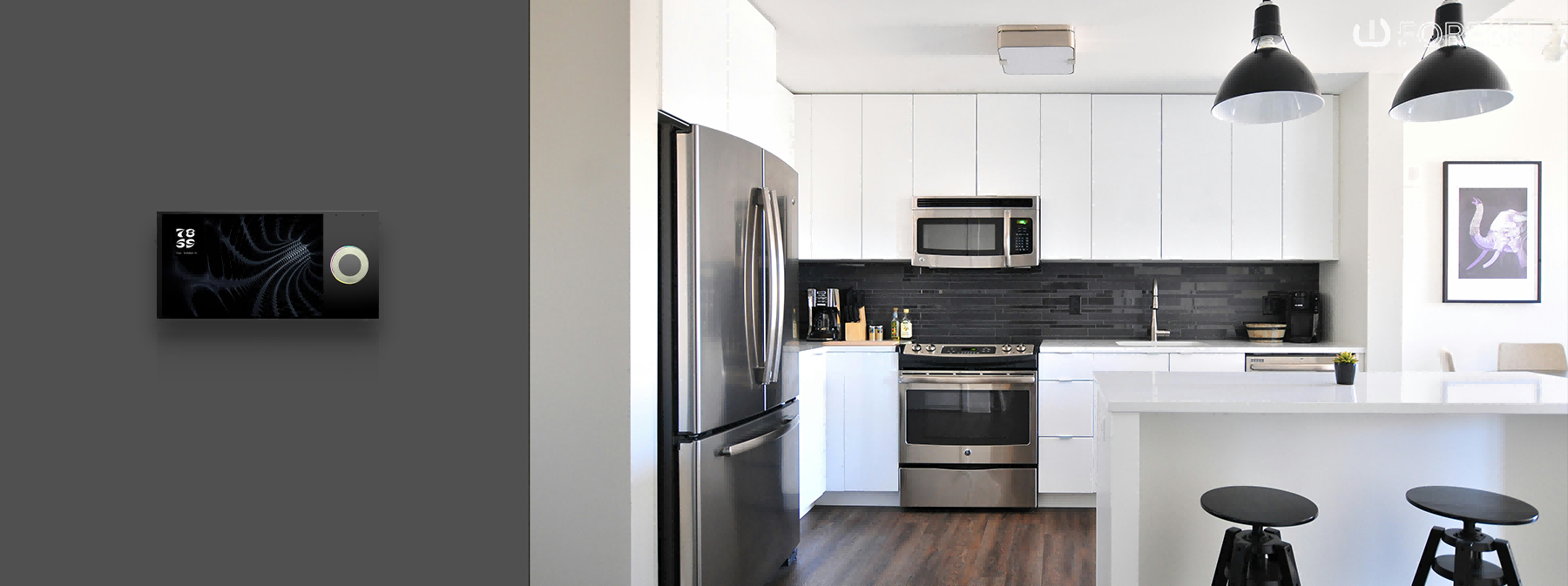
Building a Comprehensive Smart Home System for Apartments
Building a successful smart apartment is not simply about piling up individual smart devices; its core lies in "system integration" and "scene linkage." A true smart home system should be invisible, proactive, and highly collaborative.
- Hardware Integration and Interoperability
By adopting Zigbee, KNX, or the latest Matter protocols, various hardware terminals are connected to a unified network, forming a robust underlying communication architecture. This layout of smart home technology for apartments ensures that even in the event of a network outage, devices within the local area network can still perform tasks according to preset logic.
- Deep Application of Automated Scenes
The core appeal of a smart home system lies in "scene-based" functionality. Through preset algorithms, the system can weave multiple isolated devices into a closed loop that meets specific living needs.
Comfortable Living Mode: When a resident activates "Homecoming Mode," smart home technology for apartments automatically activates. Curtains slowly open to let in natural light, the air conditioner is pre-set to the most comfortable 24°C, and the lights in the entryway and living room are adjusted to a warm color temperature. This seamless experience is unmatched by a single smart device.
Home security protection:In "Away Mode," the smart home system is in a high-alert state. Door magnetic sensors detect unauthorized opening, and water immersion sensors monitor the risk of water overflow in the kitchen and bathroom in real time. In the event of any anomaly, the system will immediately push an alarm to the resident and property management center via the cloud, minimizing potential losses.
Integrating Smart Sensors to Optimize Apartment Spaces
Sensors are the "senses" of smart home technology for apartments, providing the fundamental data source for achieving intelligent space management. A well-planned layout of sensors within an apartment space can significantly optimize resource allocation.
- Human Body Sensing and Space Occupancy Analysis
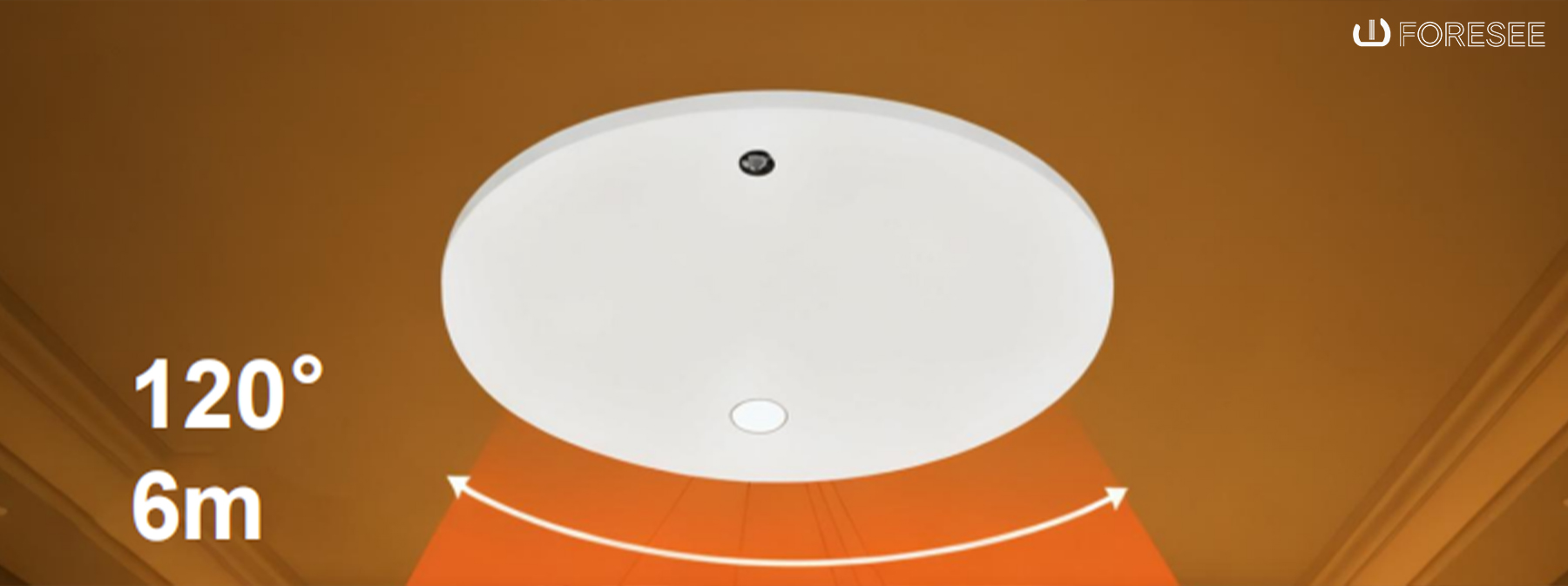
By deploying millimeter-wave radar or smart sensors, the smart home system can accurately determine whether someone is in a room and even identify resident movements (such as walking or sleeping). This technology avoids the "lights off when no one is in" scenario common with traditional sensors, while also providing precise control strategies for the HVAC system, enabling true on-demand energy allocation.
- Real-time Environmental Monitoring
Modern apartments have strict requirements for air quality, temperature, and humidity. The all-in-one environmental sensors integrated into smart home technology for apartments can monitor carbon dioxide concentration, PM2.5, formaldehyde, and temperature and humidity in real time. When indoor CO2 levels exceed the standard, the smart home system automatically activates the fresh air system to ensure residents always breathe fresh air.
Smart Entertainment and Convenience in Apartments
Within the limited space of an apartment, how to expand residents' entertainment options and enhance their convenience through technology is a crucial challenge for smart home technology for apartments.
- Multimodal Interactive Experience
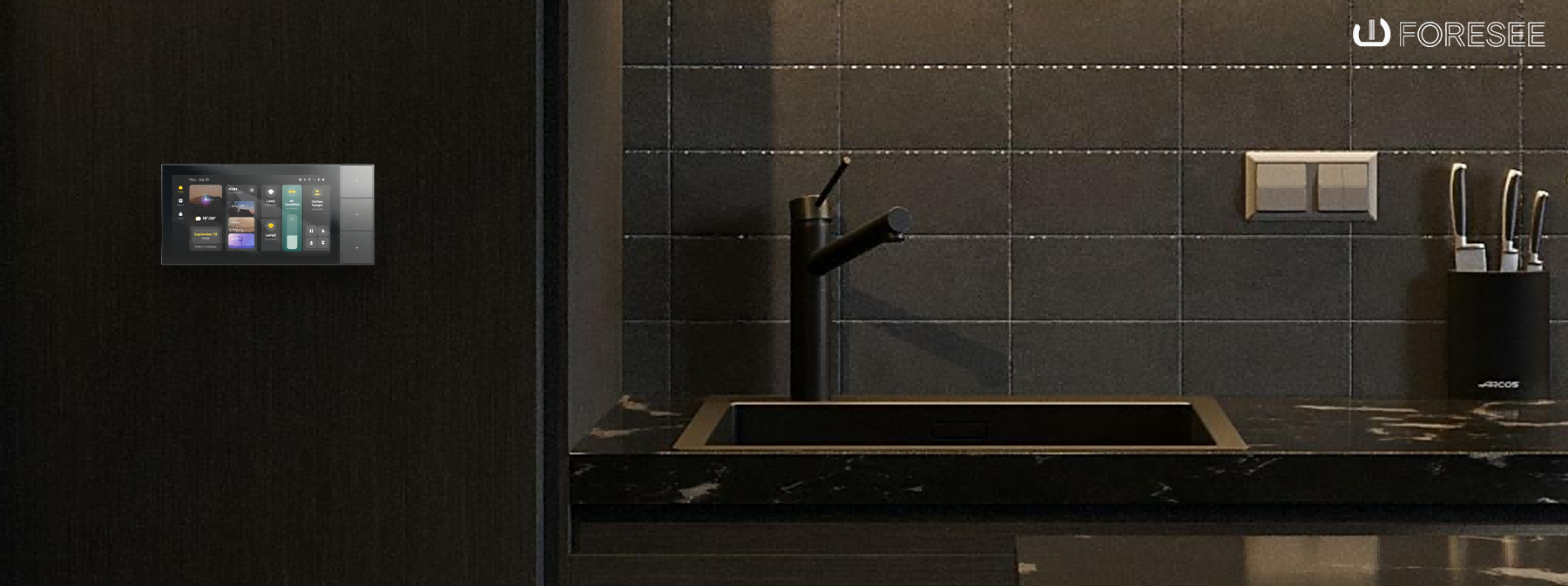
A user-friendly smart home system shouldn't rely solely on a mobile app. In smart apartments, we advocate a multimodal approach combining voice control, smart panels, and gesture interaction. Residents can control all appliances with simple voice commands or switch audio-visual modes with a single tap on a wall-mounted touchscreen, greatly enhancing their quality of life.
- Extension of Smart Community
Smart home technology for apartments can also extend to public areas. Intelligent elevator control systems allow elevators to pre-arrange for residents on their designated floors. Intelligent parking systems guide residents to quickly park in their reserved spaces. Parcel lockers are linked with in-home systems to send notifications, forming a complete, closed-loop smart community ecosystem.
Conclusion
In the future, with the further popularization of AI technology, smart home systems will become even more intelligent. As a leading solutions provider in the industry, 4C Global is committed to helping developers seamlessly integrate smart home technology for apartments into their buildings, creating a truly future-oriented benchmark for smart living. Choosing our system means choosing a sustainable, scalable, and infinitely imaginative future of living.